Evolution of the Mini Facelift

The mini facelift is likely the oldest surgical rejuvenation procedure still in use today. The first mini lift was performed over 100 years ago by a famous German surgeon, Jacque Joseph. A Polish noblewoman convinced the surgeon to tighten the skin of her face by pulling sagging tissue towards the ears, mimicking the effect of a very tight ponytail. The surgical “ponytail lift” tightened the sagging skin of her face and made her appear years younger. The surgeon removed excess skin and closed the incisions with silver wires and horsehair. Hence, the mini facelift was born.

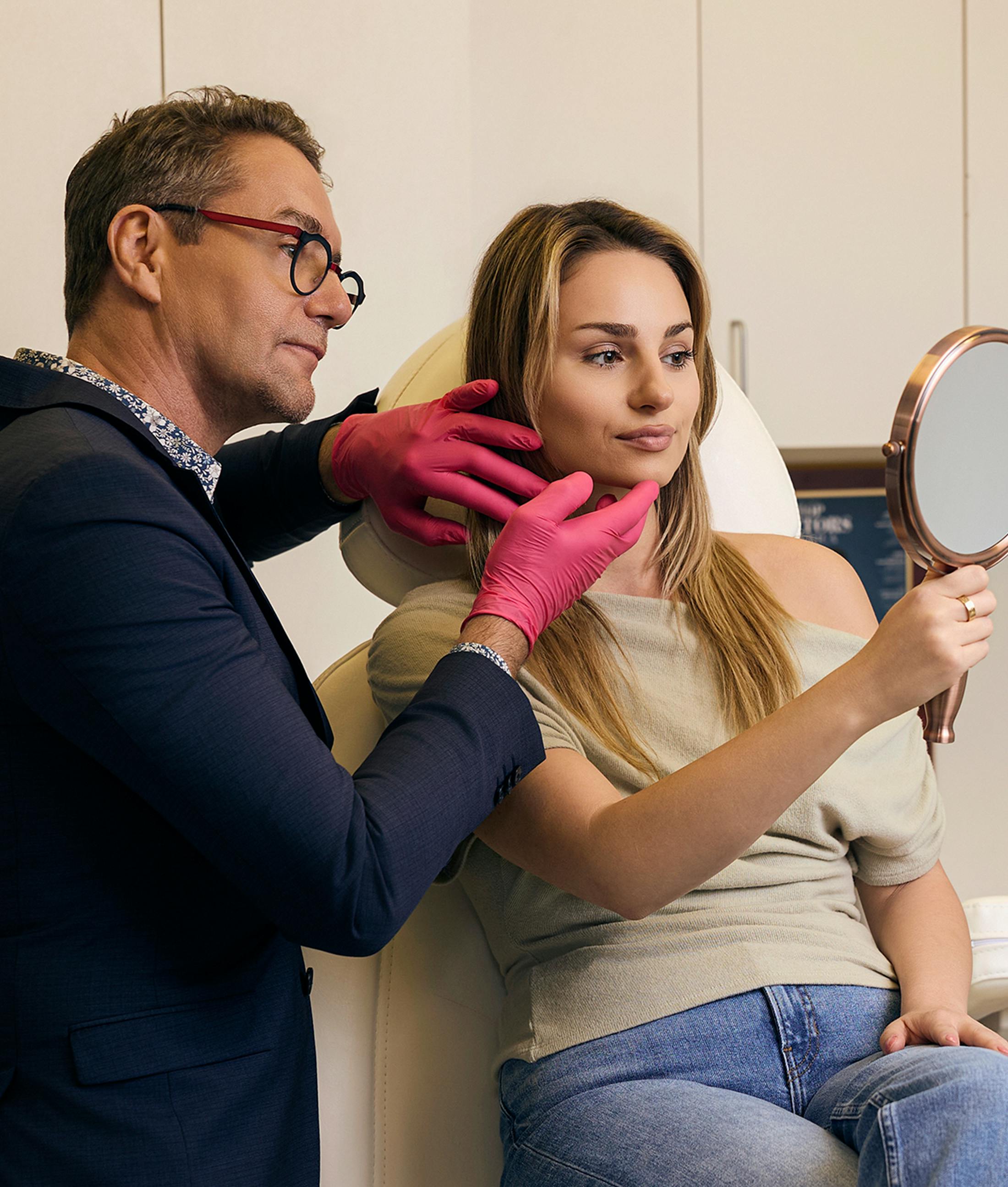
patient consult

Original Limitations

Subsequently, a significant number of surgeons attempted a similar rejuvenation procedure, and a great many variations on the mini facelift were developed to fit the needs of different patients. However, the limitations of such mini procedures became quickly apparent. Only a small amount of skin could be removed through the limited incisions. Also, the results of small-scale facelifts were short-lived, with most patients developing skin laxity within a year or two of their procedure.
Improvements Brought Drawbacks

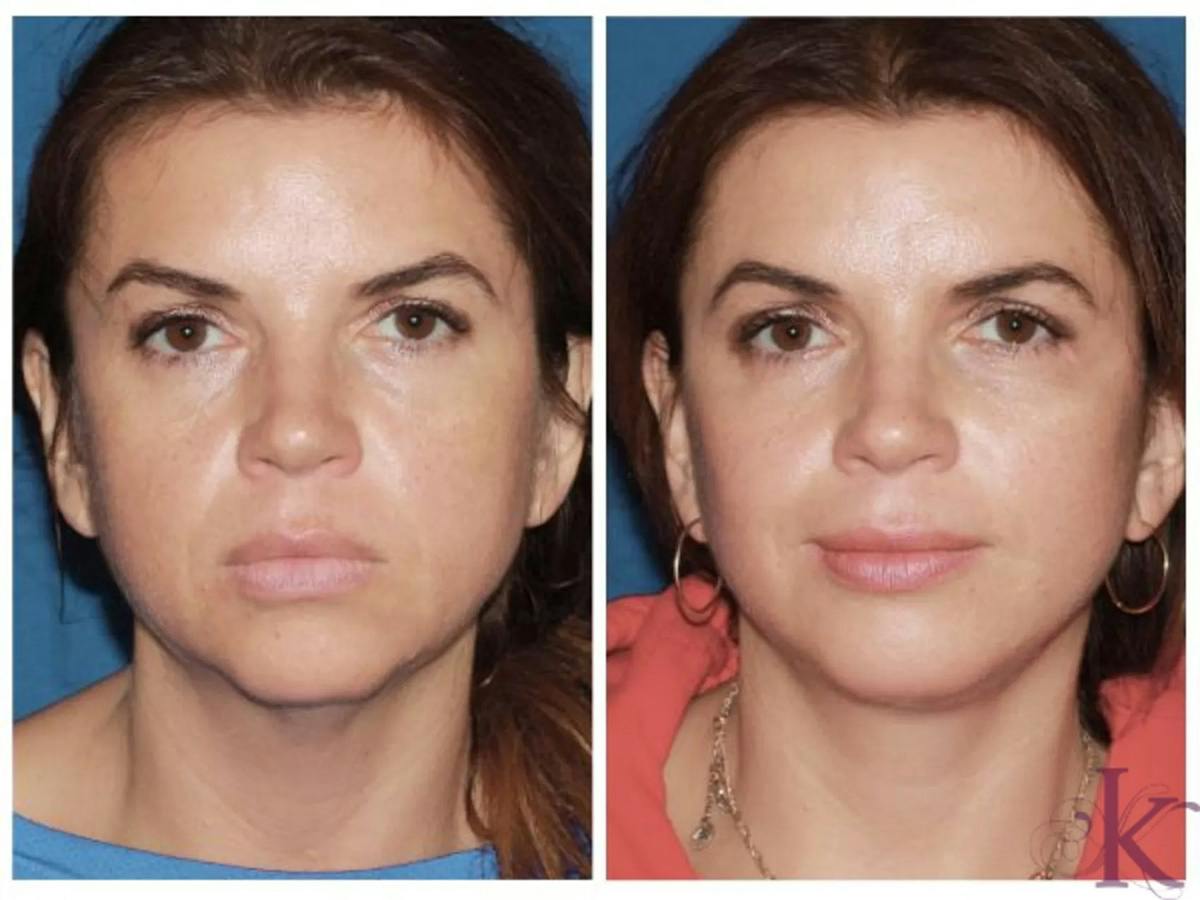
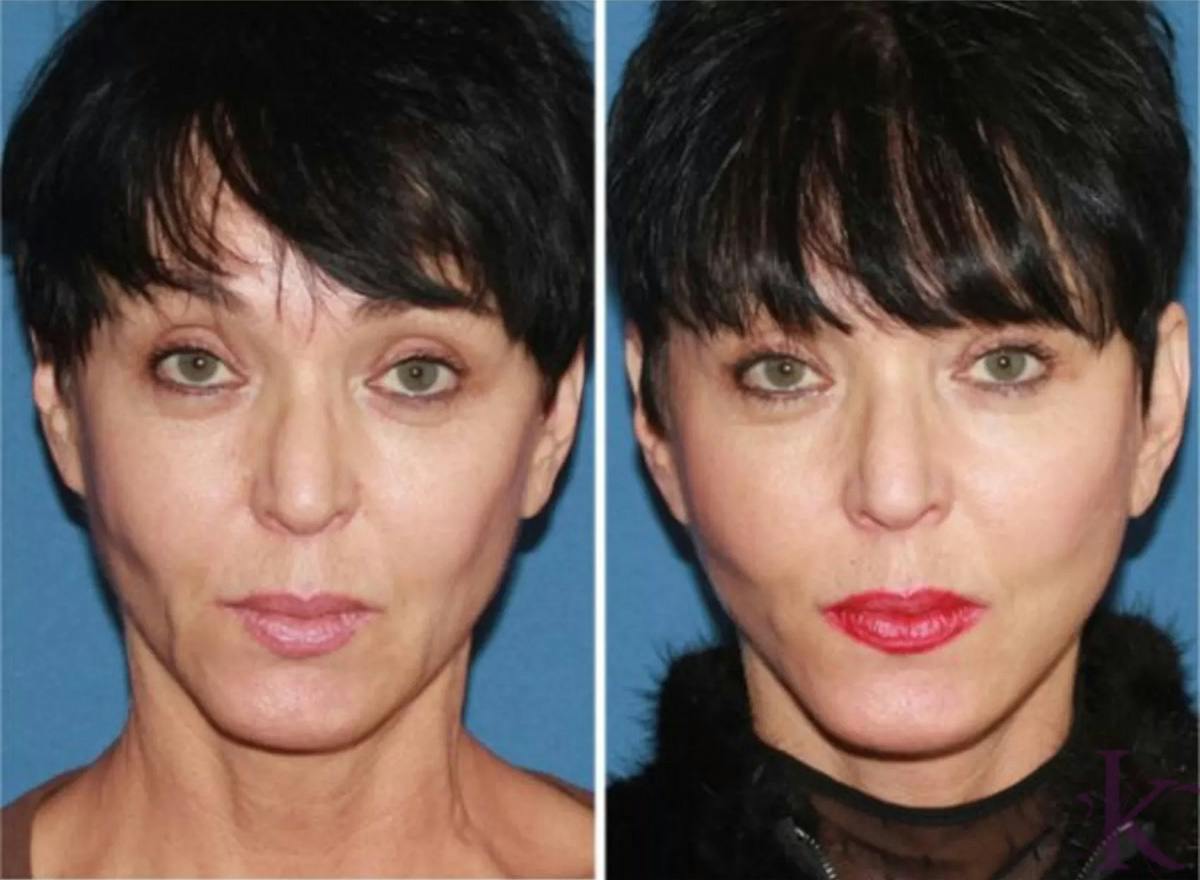
To overcome these limitations, surgeons began to invent more complex and elaborate facelift techniques. In addition to removing lax skin, these methods involve tightening underlying tissues to increase the longevity of the facelift results. Also, it became necessary to extend the incisions farther around the ear to the temple and into the hairline to correct significant skin laxity. Facelifts became bigger, more extensive, and more complicated; however, these improvements brought along drawbacks:

  • Increased longevity of results came at the price of increased healing time.
  • More extensive surgical techniques frequently made the face appear overly taut and “pulled.”

Neither of these changes was met favorably by the patients seeking a shorter, less traumatic procedure and more natural results. This led many surgeons to revisit old mini facelift techniques in an attempt to shorten the length of the incisions and reduce healing time.

“New & Improved” Mini Facelifts

In the early 2000s, many “new” facelift techniques became household names with patients seeking facial rejuvenation. Quicklift®, S-Lift, Y Lift®, and Lifestyle Lift are just a few names of re-invented mini facelifts. These procedures promised to combine significant rejuvenation with minimal recovery time and limited incisions. However, the enthusiasm around the new and improved mini facelift was short-lived. It turned out that these new techniques still had the limitations of their older counterparts, such as limited correction of skin laxity and shorter longevity of results. Many patients who were quick to get mini facelifts became quite dissatisfied with the results and returned for more complete facelift procedures just a few years later. So, did the mini facelift fail to deliver what it promised? Not quite. When performed correctly and used for the right patient, it remains an excellent procedure.

Who Is the Best Candidate for a Mini Facelift?

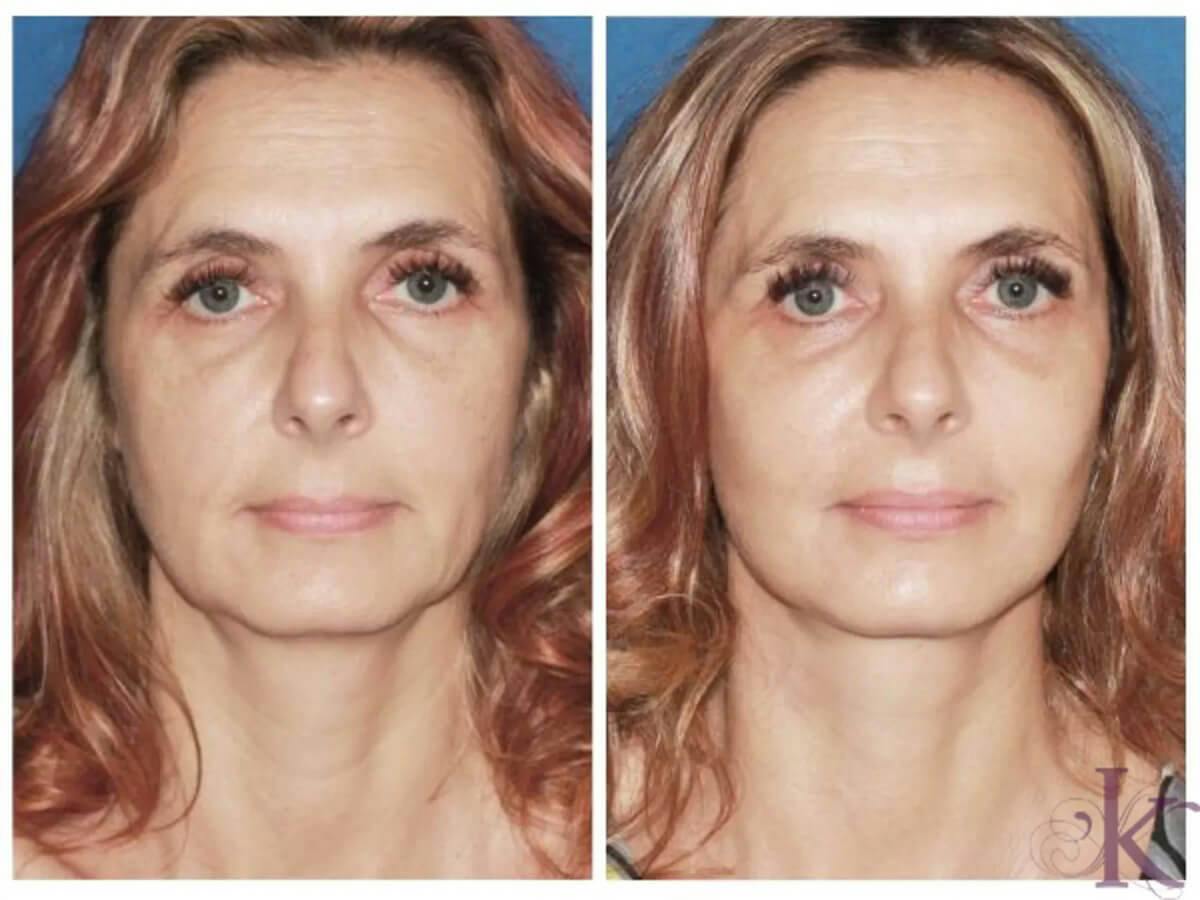
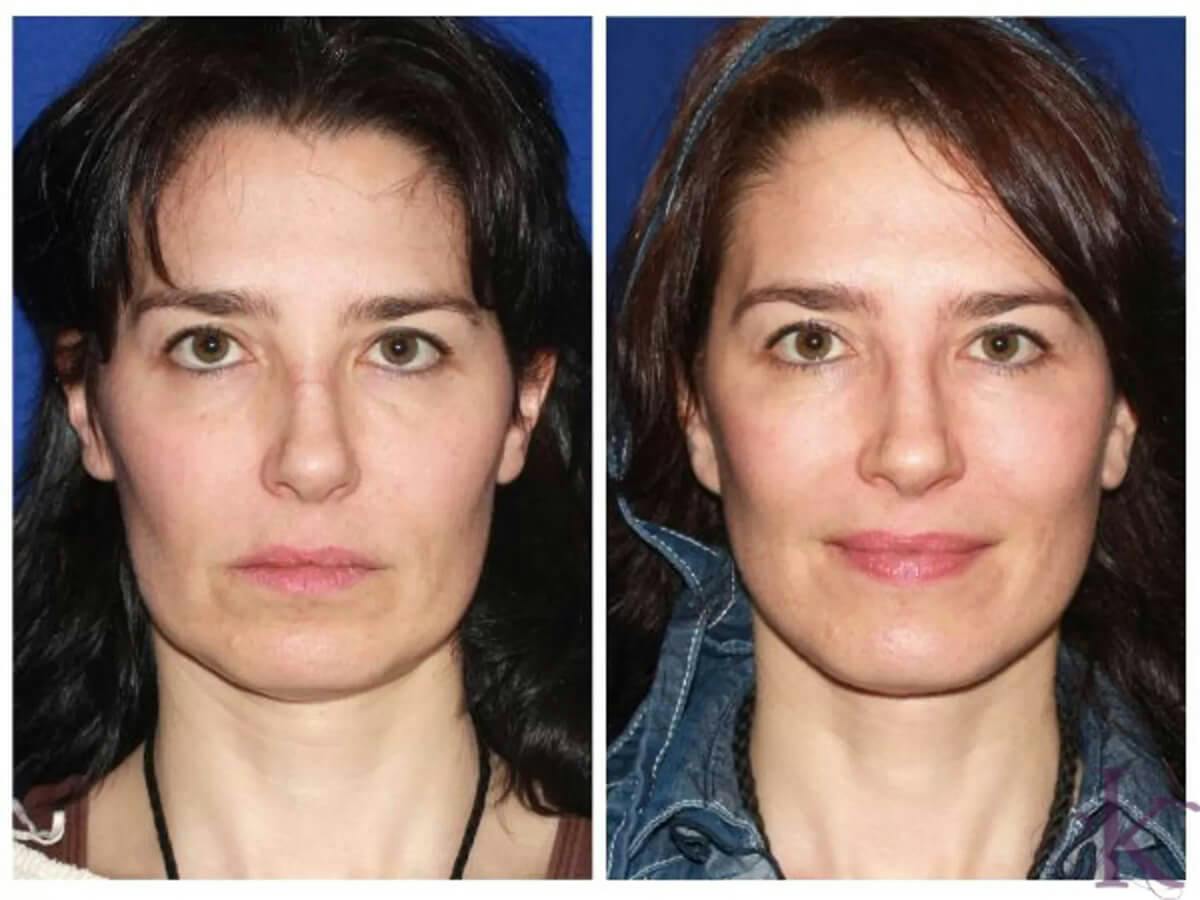
The best mini facelift candidates are usually women and men in their 30s to early 40s with early signs of facial aging and good skin elasticity. Loss of definition around the jawline and early formation of jowls are the most appropriate reasons for a mini facelift. A mini facelift may not be for you if you have significant jowling, sagging, or hollow cheeks, or lax soft tissue of the neck. These all require a more extensive facelift procedure.

Woman posing

How Much Does a Mini Facelift Cost in NYC?

The price of a mini facelift at our New York City practice starts at $30,000. The best facelift surgeons in Manhattan charge more for their expertise and superior results. While paying a higher price does not guarantee better results, more experienced and reputable facial plastic surgeons tend to charge higher fees. It makes sense to invest a little more into your mini facelift to ensure the highest quality.

Schedule a Consultation

Schedule Here
Contact us media

Your Mini Facelift Procedure

Anesthesia

Dr. Konstantin performs most mini facelifts using lighter forms of anesthesia than with a full facelift. He commonly uses local anesthesia with mild or moderate sedation, which makes the procedure much safer and the recovery easier for the patient.

Incisions

Once the anesthesia is administered, a local anesthetic is injected, and incisions are outlined. The typical mini facelift incision curves around the ear and extends upward at an angle to the temple and into the hairline behind the ear. The length of the mini lift incision is usually much shorter than with a more extensive facelift procedure.

Tissue Contouring

Once the incision is made, a skin flap is elevated to expose the underlying SMAS (submuscular aponeurotic system) tissue. Tightening sutures are subsequently placed into the SMAS to secure the elevated tissue and flatten and tighten the jowls.

Closure & Dressing

Once the contour of the jawline is established, the excess skin is removed, and incisions are closed with small sutures. Bandages may be placed after the procedure to keep the facial tissue in place.

Logo media

What To Expect From Mini Facelift Recovery

After a mini facelift, just like with any other facial rejuvenation procedure, swelling and bruising are normal. With a mini facelift, these side effects are usually mild and diminish within a week or two. Mini facelift patients may also experience numbness around the ears and a feeling of tightness around the jawline. These sensations fade more quickly and are less intense with mini facelifts than with other, more extensive forms of facelift surgery.

Healing time can vary greatly from patient to patient. However, most mini facelift patients can expect to take 5 to 7 days off work for healing. Typically, the signs of recent surgery are greatly diminished by the end of the first week and are not easily noticeable by a casual observer. Some creative hair styling and occasional makeup application help hide the residual signs of surgery.

Mini Facelift Frequently Asked Questions

How long will the results from a mini facelift last?

The longevity of mini facelift results varies from patient to patient and depends on factors such as tissue quality, the extent of facial aging, and the amount of soft tissue addressed during surgery. In general, improvements from a mini facelift may last approximately three to five years before gradually diminishing as natural aging continues.

After having a mini facelift, can I have another facelift in the future?

Yes. A subsequent facelift may be performed once the rejuvenating effects of a mini facelift begin to diminish. However, a mini facelift is not appropriate for every patient. Those who need more extensive correction may achieve better results with a full facelift initially rather than undergoing a less extensive procedure first. Two mini facelifts are not equivalent to the correction achieved with one appropriately planned full facelift.

If I don't like the results of a mini facelift, how long should I wait to have another facelift?

In most cases, it is recommended to allow approximately six to twelve months for swelling and tissues to fully settle before considering another facelift procedure. Dr. Konstantin will evaluate your healing and individual circumstances to determine the appropriate timing for any additional surgery.

What are the possible complications of a mini facelift?

As with any surgical procedure, a mini facelift carries potential risks and complications. Although uncommon, these may include hematoma, infection, delayed or poor wound healing, and hypertrophic scarring. Dr. Konstantin will review the potential risks, benefits, and precautions associated with your procedure during your consultation.

Schedule a Consultation

A consultation is the clearest way to get honest, specific answers about what's genuinely possible for one particular, individual face.

Schedule Here
Contact us media
Accessibility: If you are vision-impaired or have some other impairment covered by the Americans with Disabilities Act or a similar law, and you wish to discuss potential accommodations related to using this website, please contact our Accessibility Manager at (212) 380-3634.
Schedule a Consultation