The Precision Behind a Familiar Treatment

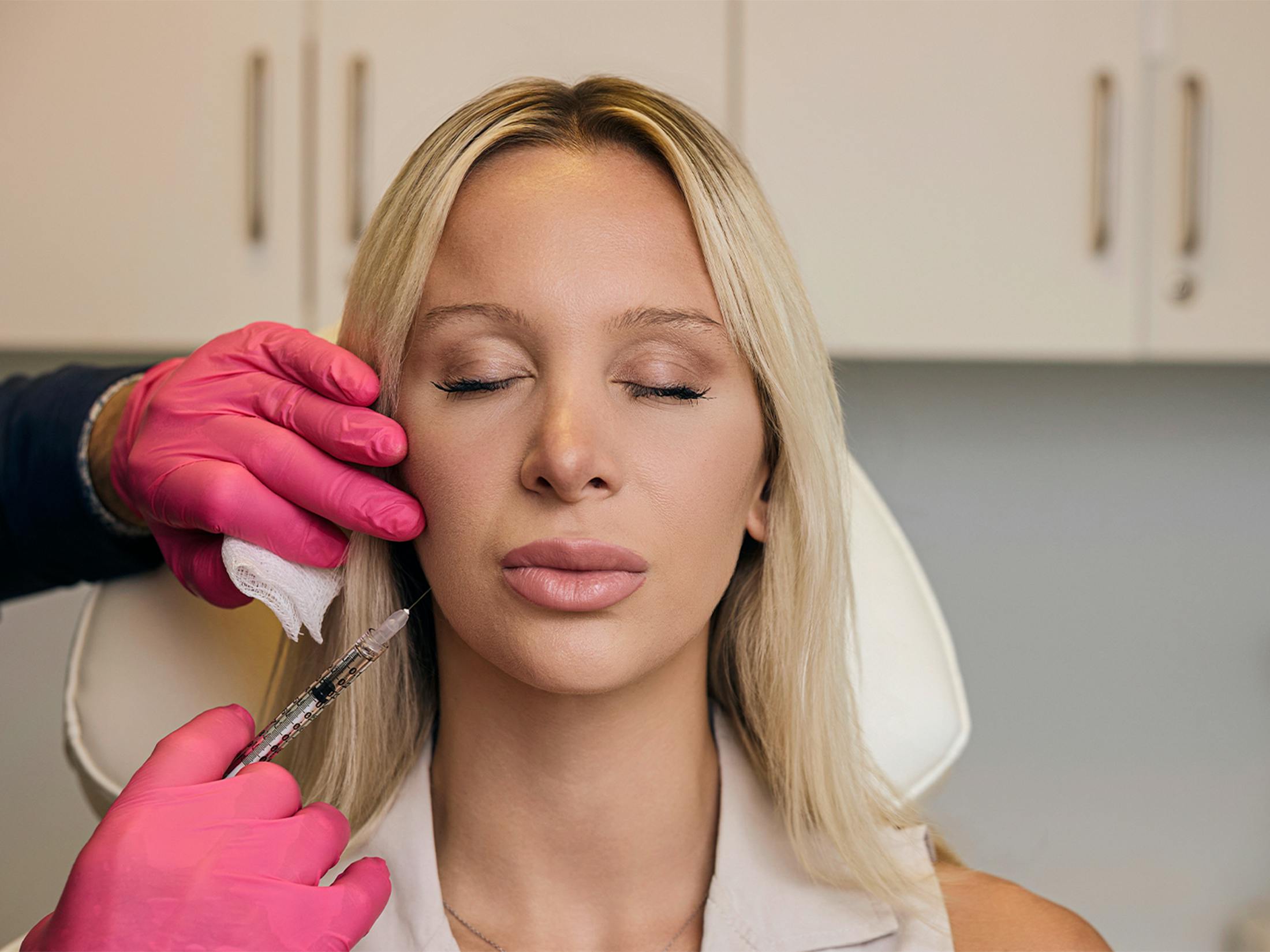
While Botox is used routinely enough that treatment has become very predictable, it is still important that the muscles of the face are not treated as routine anatomy. Thorough understanding of facial anatomy is important for obtaining the aesthetic outcome the patient wants. Every injection at this practice is administered by Maria Kubiak, trained directly by Dr. Konstantin, with that level of precision in mind.

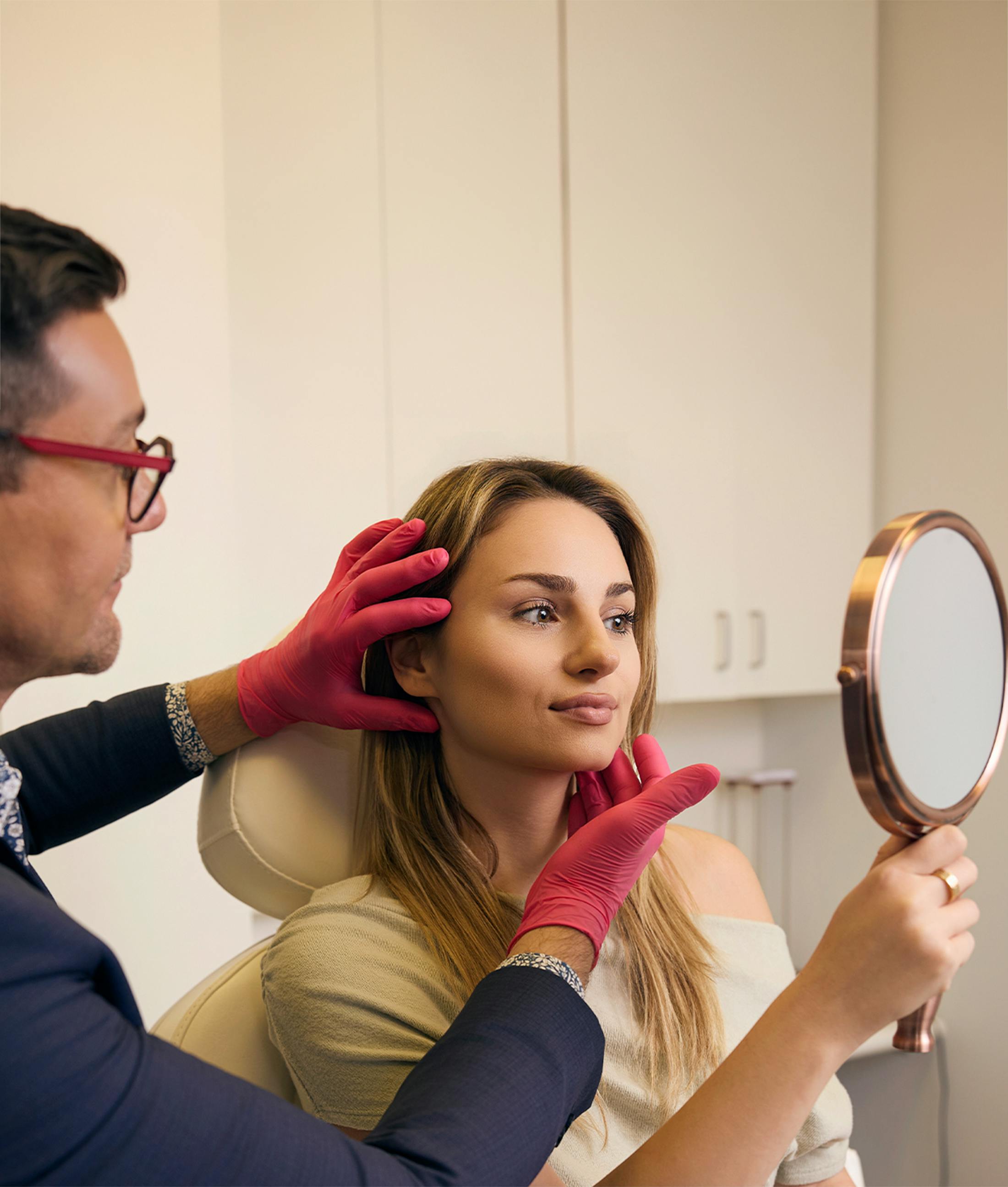
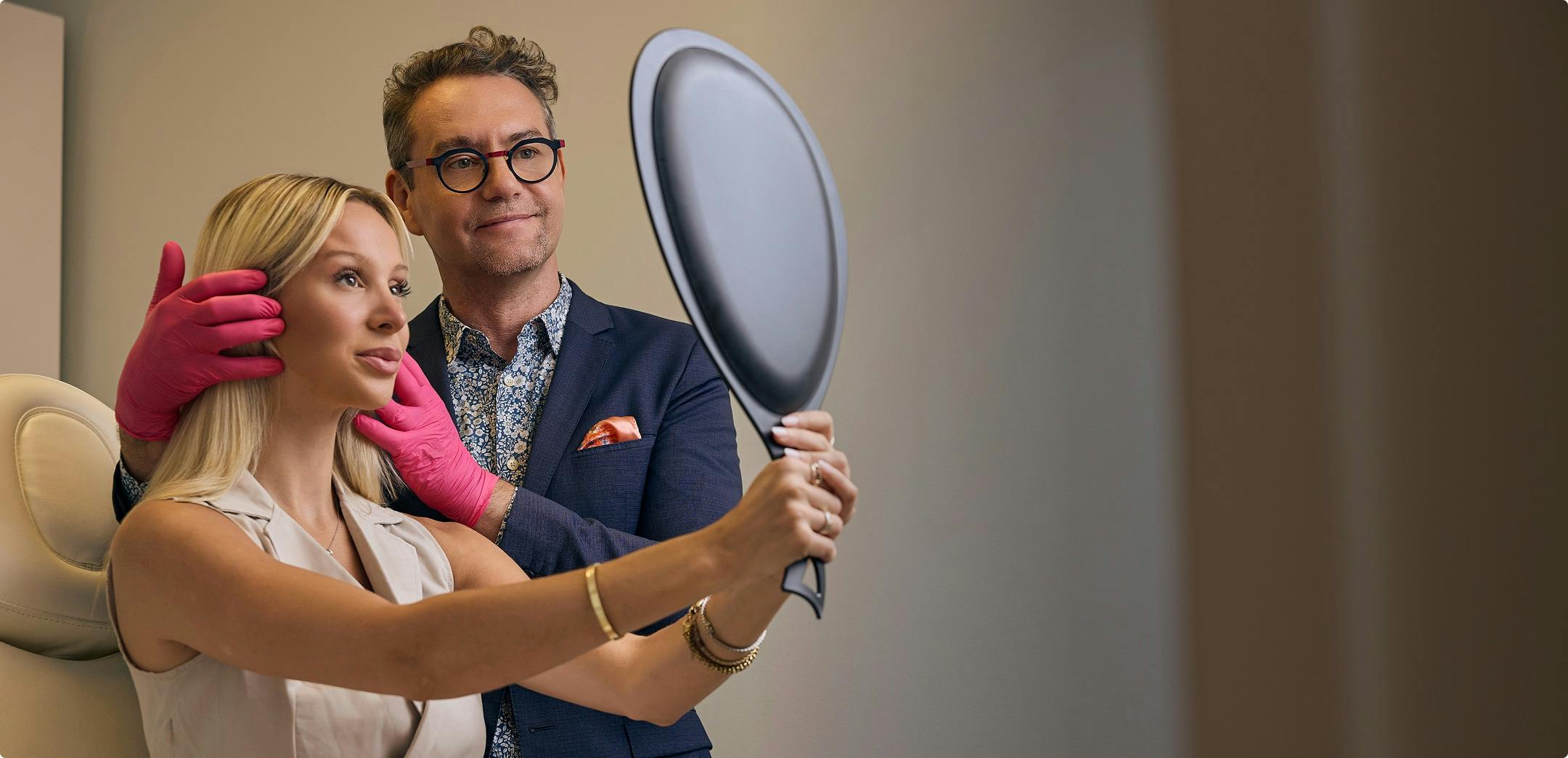
Patient consult

What Is Botox?

Botox is an FDA-approved neurotoxin, onabotulinumtoxinA, that temporarily relaxes the muscles responsible for expression lines. It's the most extensively studied treatment of its kind, with decades of safety data across both cosmetic and medical uses, from migraines to excessive sweating. Not every patient is a good candidate. Anyone who is pregnant or breastfeeding, or who has certain neuromuscular conditions, should discuss alternatives during consultation rather than proceeding with treatment right away.

What Botox Actually Treats

Botox is one of the more versatile treatments available, addressing several distinct concerns depending on where it's placed. Common areas treated include:

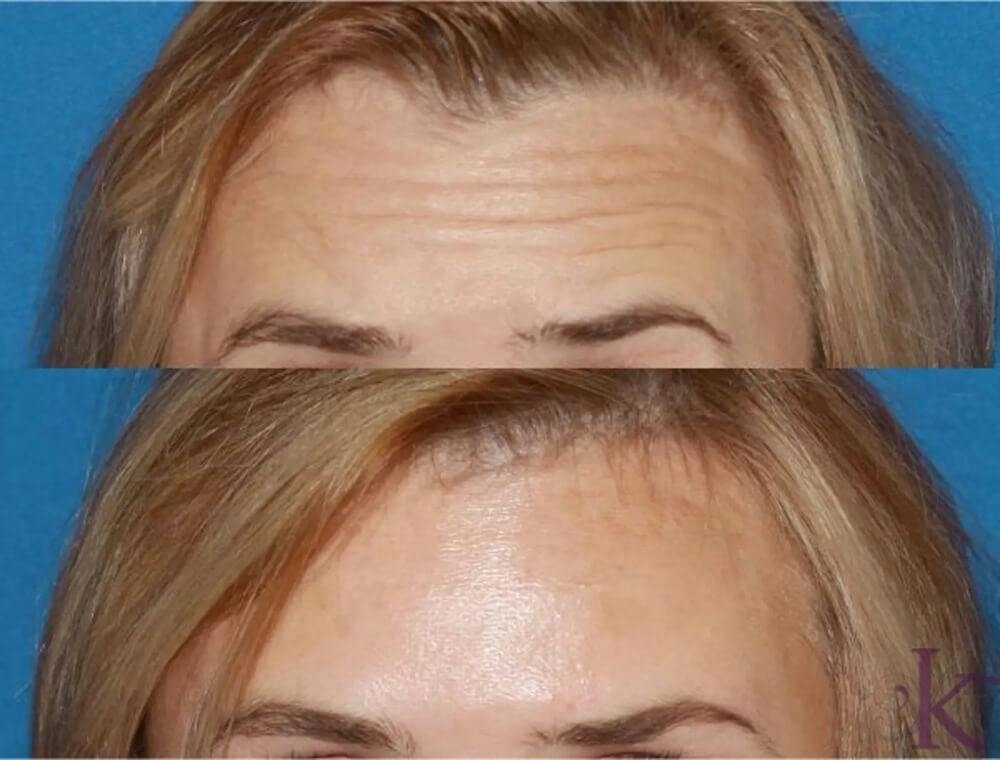
  • Forehead lines, which deepen with repeated brow-raising over time
  • Glabellar lines, the vertical lines between the brows, often read as a frown
  • Crow's feet, the lines that form at the outer corners of the eyes when smiling
  • A subtle brow lift, achieved by relaxing the muscles that pull the brow down
  • Bunny lines, the diagonal creases that appear on the nose with certain expressions
  • A lip flip, using a small amount to gently roll the upper lip outward
  • Platysmal neck bands, the vertical cords that grow more visible with age

Each area is treated individually, based on where a specific patient's expression lines actually show up. For patients weighing a future brow lift but not ready for surgery, Botox-assisted brow elevation, often paired with temple filler for added support, can serve as a meaningful interim step.

Schedule a Consultation

Schedule Here
Contact us media

Why Choose Dr. Konstantin?

  • An Injector Trained Directly by a Surgeon: Maria Kubiak's technique comes from Dr. Konstantin himself, not a weekend certification course. That surgical-level understanding of facial muscle anatomy is exactly what keeps results looking natural rather than frozen.
  • Conservative Dosing, on Purpose: Botox is never over-administered at this practice, avoiding the stiff, "frozen face" look that comes from outdated, heavy-handed technique. The goal is targeted relaxation of specific muscles while preserving the natural movement that makes a face look alive.
  • One Product Among Several, Not the Default: Because this practice also offers Xeomin, patients aren't locked into Botox by default. If a different neurotoxin genuinely suits someone better, that's what gets recommended instead, without any pressure to stick with the more familiar name.

What Happens During Your Appointment

Assessment

Maria observes natural facial expressions and resting muscle activity to understand exactly where and how strongly each muscle pulls, which guides precise dosing and placement for that specific patient's face.

Injection Points

Based on that assessment, specific injection points are marked with precision, and dosing is calculated individually rather than using a generic, one-size-fits-all amount for every patient who walks in.

Injection

A topical numbing cream is applied first to minimize any discomfort. The injections themselves take only moments using a fine-gauge needle, and the entire appointment typically runs about thirty minutes start to finish.

Aftercare

Before leaving, Maria walks through specific aftercare guidelines, avoiding lying down or rubbing the treated areas for a few hours, to help the product settle exactly where it was placed.

Logo media

Enhancing Botox Results

Botox pairs well with other treatments depending on the full picture of what's being addressed. Common combinations include:

  • Dermal fillers, for concerns involving volume loss that Botox alone can't treat
  • Laser skin resurfacing, for improving overall skin texture and tone, alongside smoother expression lines

Combining treatments in the same visit is common and can be discussed during the initial consultation.

Aftercare in the First Few Hours

Botox involves virtually no downtime. Mild redness or a small bump at the injection sites is common and usually resolves within a few hours. Avoiding strenuous exercise, alcohol, and rubbing the treated areas for at least a day is generally recommended.

When Results Appear, and How Long They Last

Most patients notice results within three to seven days, with the full effect visible around two weeks. A follow-up appointment around that point allows for any minor adjustments. Results typically last three to four months.

Woman with her eyes closed

Botox Frequently Asked Questions

How often will I need Botox to maintain results?

Most patients return every three to four months. Over time, some find they can space appointments out further as muscles gradually respond to consistent, repeated relaxation.

Will Botox make me look frozen?

Not when dosed conservatively by someone who understands facial anatomy well. This practice specifically avoids over-treating, aiming for results that look refreshed and natural rather than stiff.

Is Botox safe for long-term, repeated use?

Yes. Botox has decades of safety data supporting long-term use for both cosmetic and medical purposes, and repeated use over many years is well established as safe for appropriate candidates.

Can Botox be combined with filler in the same appointment?

Often, yes. Addressing expression lines with Botox and volume loss with a filler in a single visit is common, since the two treatments work on entirely different concerns.

What's the difference between Botox and Xeomin?

They work almost identically, relaxing the same muscles through a similar mechanism. Xeomin lacks certain accessory proteins present in Botox, which occasionally makes it a better option for patients who've built up resistance.

Schedule a Consultation

A consultation is the clearest way to get honest, specific answers about what's genuinely possible for one particular, individual face.

Schedule Here
Contact us media
Accessibility: If you are vision-impaired or have some other impairment covered by the Americans with Disabilities Act or a similar law, and you wish to discuss potential accommodations related to using this website, please contact our Accessibility Manager at (212) 380-3634.
Schedule a Consultation