A focused menu of injectables, one injector trained personally by Dr. Konstantin, and a single standard: the right product for the specific concern, not the one that's trending.
Injectables in NYC
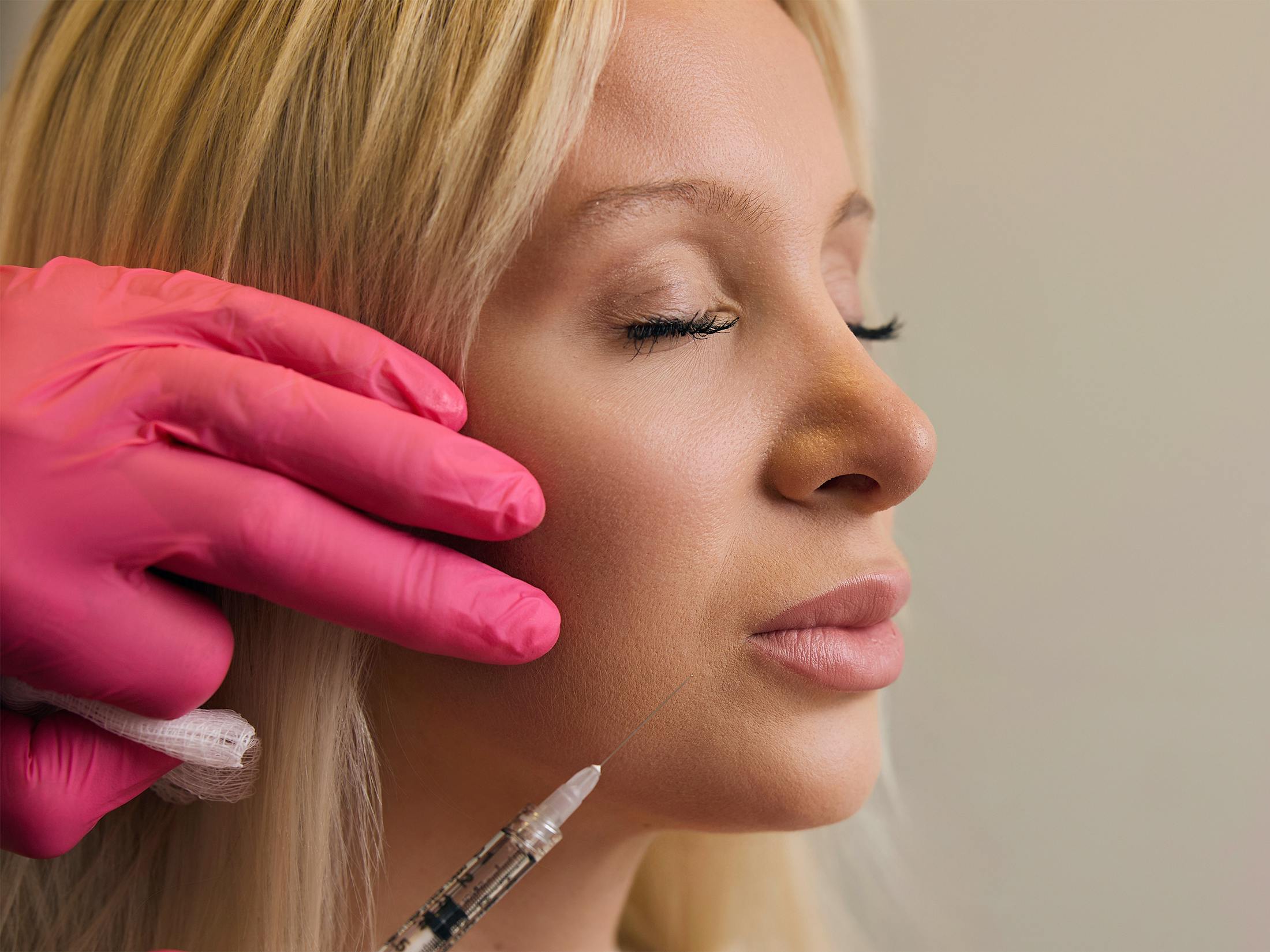

A Small Menu, Chosen Deliberately
Rather than carrying every injectable on the market, this practice offers a curated set of products that cover the range of concerns patients actually bring in: expression lines, static wrinkles, and volume loss in specific, well-defined areas of the face. Each one is administered by Maria Kubiak, trained directly by Dr. Konstantin in his own technique.
What Are Injectables?
Injectables fall into two broad categories: neurotoxins, which relax the muscles behind expression lines, and dermal fillers, which restore lost volume and soften static wrinkles. Both are delivered through a fine needle in a treatment room, with no incision and typically no downtime at all.

Our Injectable Treatments
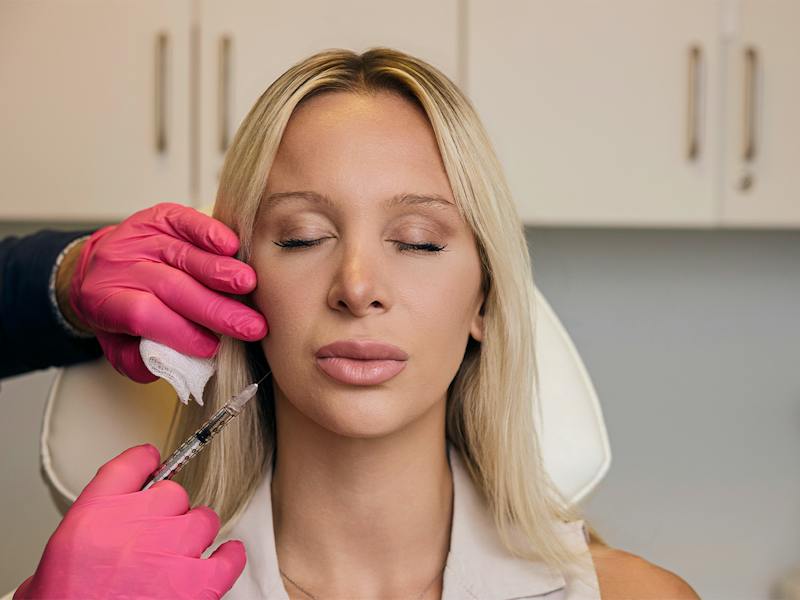
Botox
Botox
The most recognized neurotoxin in aesthetic medicine, Botox relaxes the muscles behind dynamic wrinkles like forehead lines, frown lines, and crow's feet. Results typically appear within a few days and last three to four months before a touch-up is needed.

Dermal Fillers
Dermal Fillers
A broad category of injectables that restore lost volume and soften static wrinkles, the lines still visible at rest. Most are hyaluronic-acid based, and the right specific product depends on the area being treated and the degree of correction needed.
Schedule a Consultation
Schedule Here

Why Choose Dr. Konstantin?
- Trained by a Surgeon: Maria Kubiak's injection technique comes directly from Dr. Konstantin himself, not a generic certification course. That surgical-level understanding of facial anatomy carries over into every syringe, whether it's a routine Botox appointment or a more complex filler plan.
- The Right Product, Not the Trendy One: With a range of products to choose from, the recommendation is based on which one actually suits the concern and the area, not whichever product happens to be used most often or promoted hardest.
- Injectables That Complement Surgical Judgment: Because injectables are administered within a surgical practice, there's an honest conversation available about whether a filler will actually solve a concern or whether it's masking something that eventually needs a more permanent, surgical answer.
Injectables Frequently Asked Questions
Can I combine a neurotoxin and a filler in the same visit?
Yes, frequently. Many patients address expression lines with Botox or Xeomin and volume loss with a filler in the same appointment, since the two work on entirely different mechanisms.
How do I choose between Juvederm, Volbella, and Voluma?
It comes down to the specific area and goal. Volbella suits lips and fine lines, Voluma suits cheek volume, and other Juvederm formulations cover everything in between. Maria makes the specific call during the consultation.
Is Xeomin better than Botox?
Neither is objectively better; they work almost identically. Xeomin's lack of accessory proteins occasionally makes it a better fit for patients who've developed resistance to other neurotoxins over time.
Will filler look obviously fake?
Not when injected conservatively and by someone who understands facial anatomy well. The goal is always volume that looks like it was never lost, not an obviously altered appearance.
How soon will I see results from Botox or Xeomin?
Typically, within three to five days, with full effect visible around the two-week mark. That's why a follow-up appointment around then is often recommended to check for any needed adjustments.
Does Radiesse have any advantages over hyaluronic-acid fillers?
Its calcium-based formula stimulates the skin's own collagen production over time and tends to last longer than most hyaluronic-acid options, which makes it well-suited to deeper folds and hand rejuvenation.
What if I don't like how a filler looks?
Most hyaluronic-acid fillers, including Juvederm, Volbella, and Voluma, can be dissolved with an enzyme if a patient is genuinely unhappy with the result, though conservative injection is meant to make that unnecessary.
Can injectables be used preventively, before signs of aging appear?
Some patients start with Botox in their late twenties or thirties specifically to prevent expression lines from becoming permanently etched, a strategy sometimes called baby Botox. It's a reasonable approach for the right candidate.
Is there an age limit for getting injectables?
No strict limit in either direction, though most patients start seeking treatment sometime in their late twenties through their sixties, depending on when specific concerns become noticeable to them.
How often will I need to come back for maintenance?
It depends entirely on the product. Neurotoxins need repeating roughly every three to four months, while longer-lasting fillers like Voluma or Radiesse might only need a touch-up once a year or so.