A Non-Surgical Approach, Backed by Surgical-Level Expertise

Dr. Konstantin personally trained the practice's injector in his own technique, and every non-surgical treatment offered here is chosen because it genuinely works, not because it's trending. Eighteen years of facial anatomy expertise informs even the treatments that don't involve a scalpel.

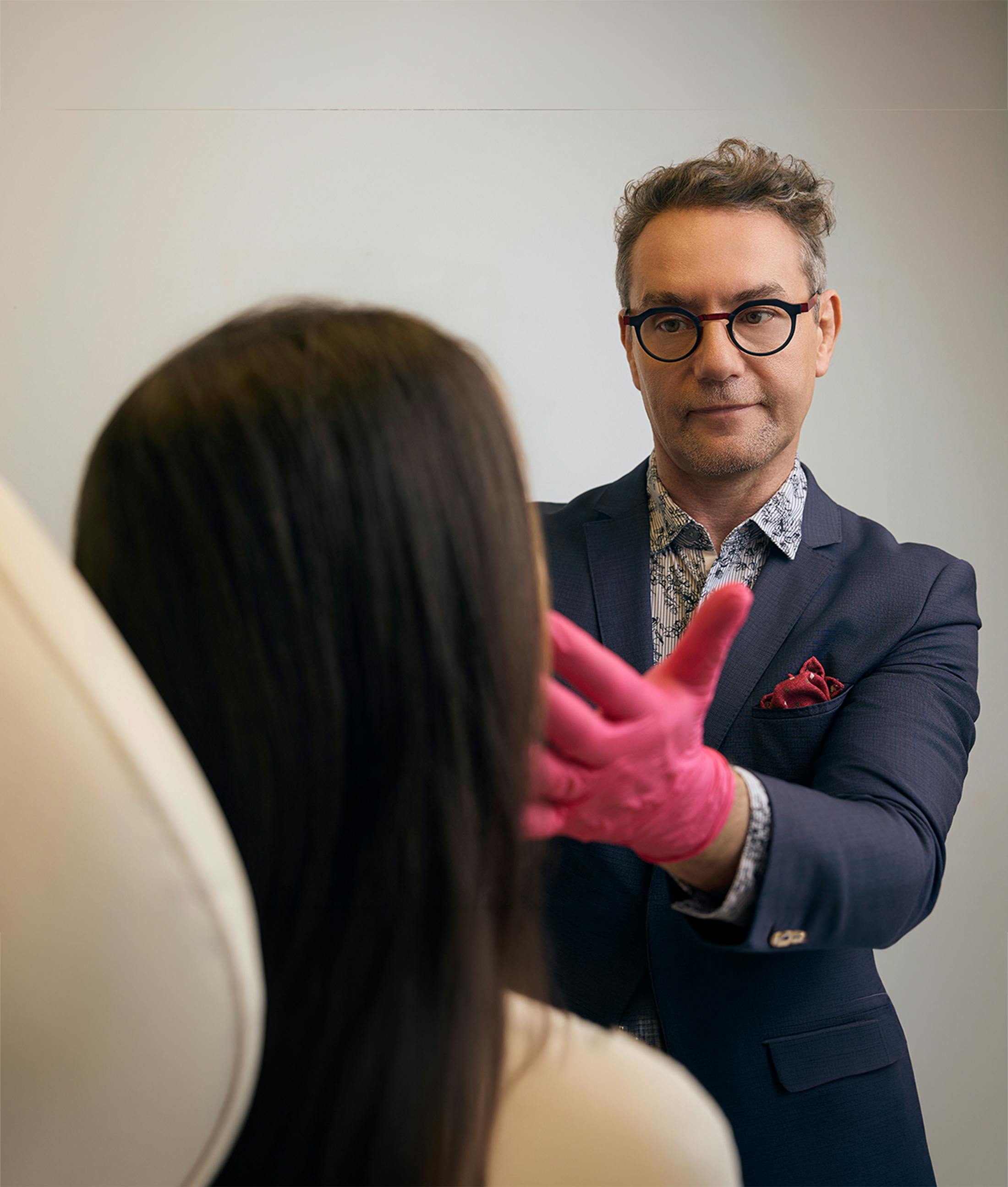
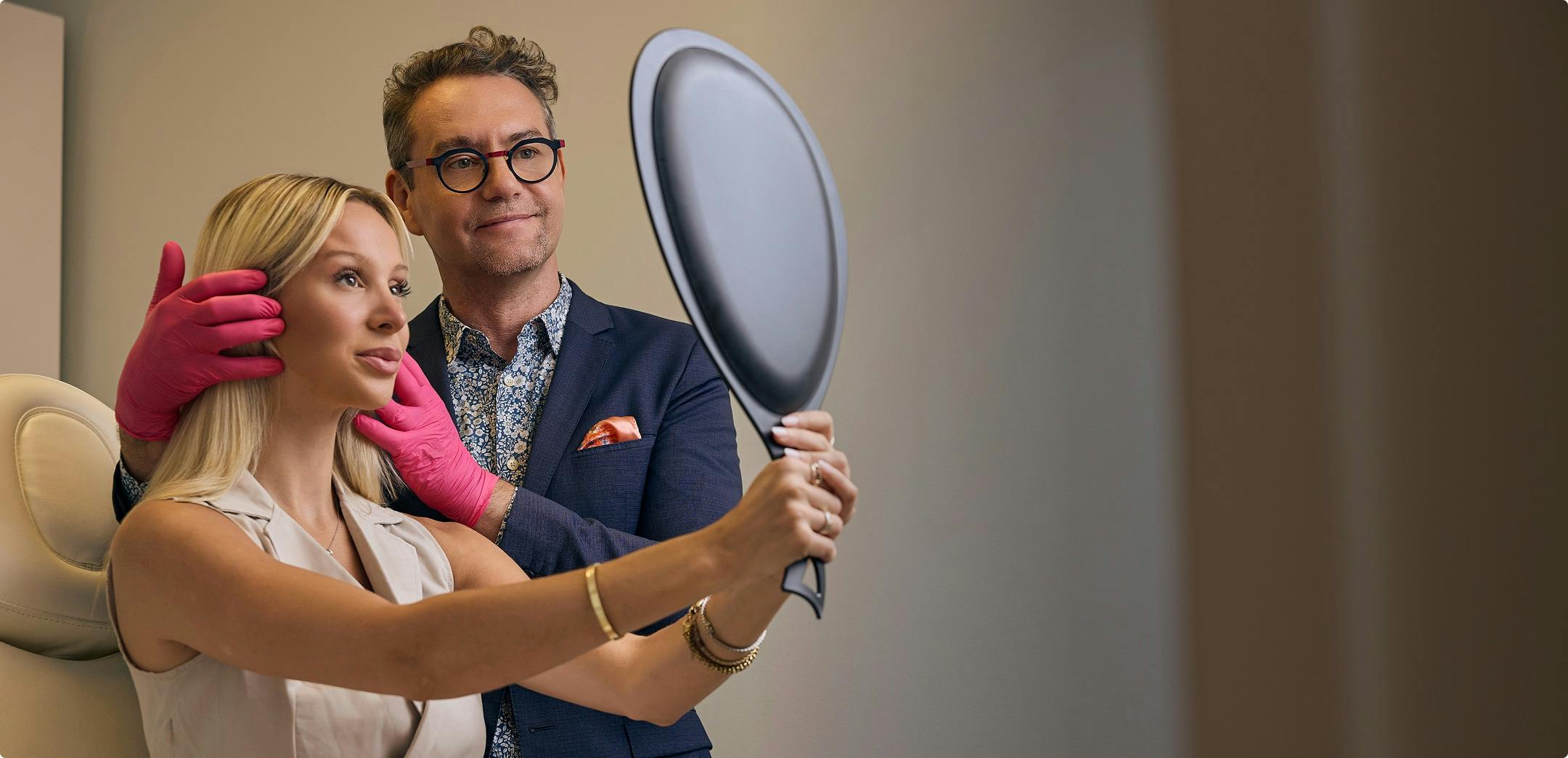
patient consult

What Are Non-Surgical Treatments?

Non-surgical treatments address fine lines, volume loss, skin texture, and early signs of aging without an incision or an operating room. They range from injectables like Botox and dermal fillers to laser-based skin resurfacing, each suited to a different concern and a different comfort level with downtime. Most can be done during a lunch break, with no need to plan around a recovery period, which is part of why they've become such a common starting point before considering surgery.
Our Non-Surgical Treatment Categories

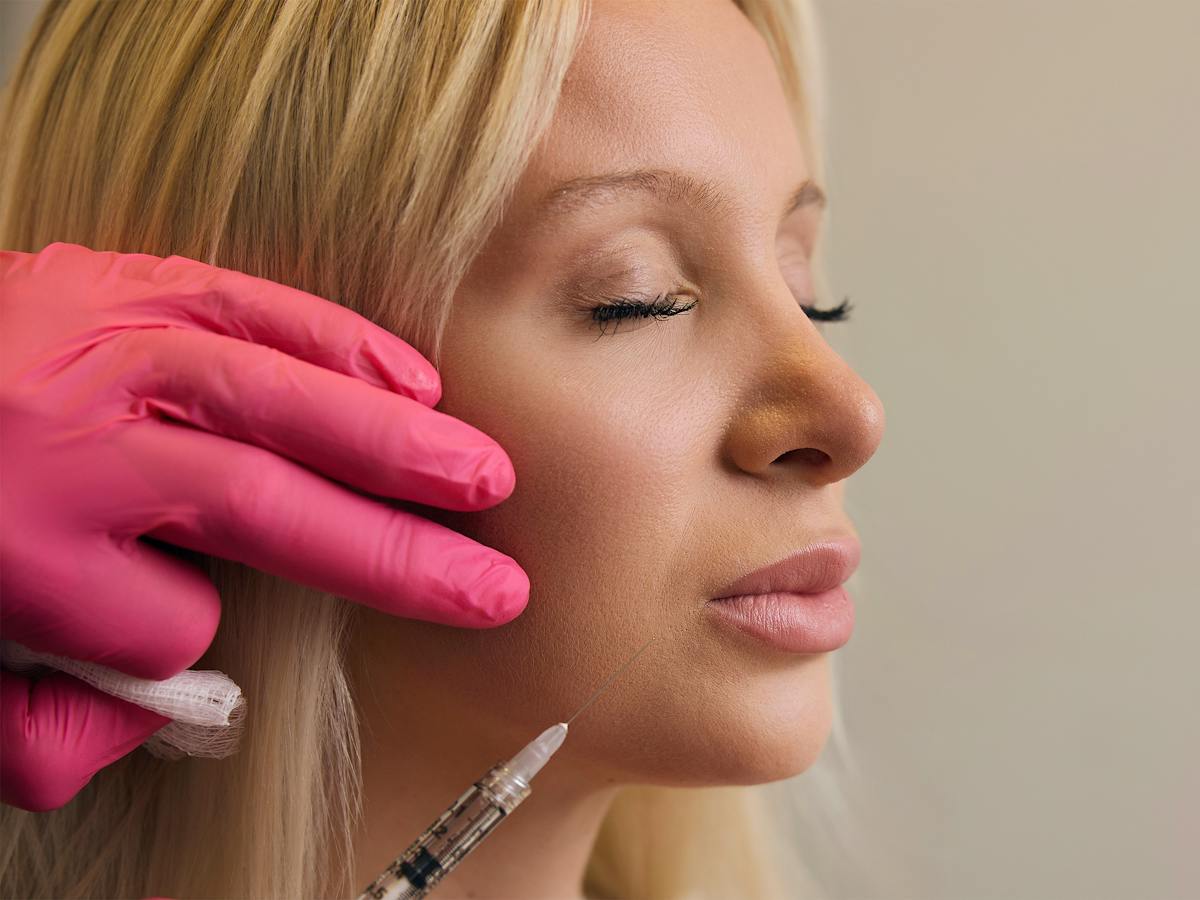
woman getting facial injections
Injectables

Injectables

Neurotoxins like Botox relax the muscles behind expression lines, while dermal fillers such as Juvederm, Voluma, Volbella, and Radiesse restore lost volume and soften static wrinkles. Administered by Maria Kubiak, trained directly by Dr. Konstantin, injectables remain the most requested non-surgical option in the practice.

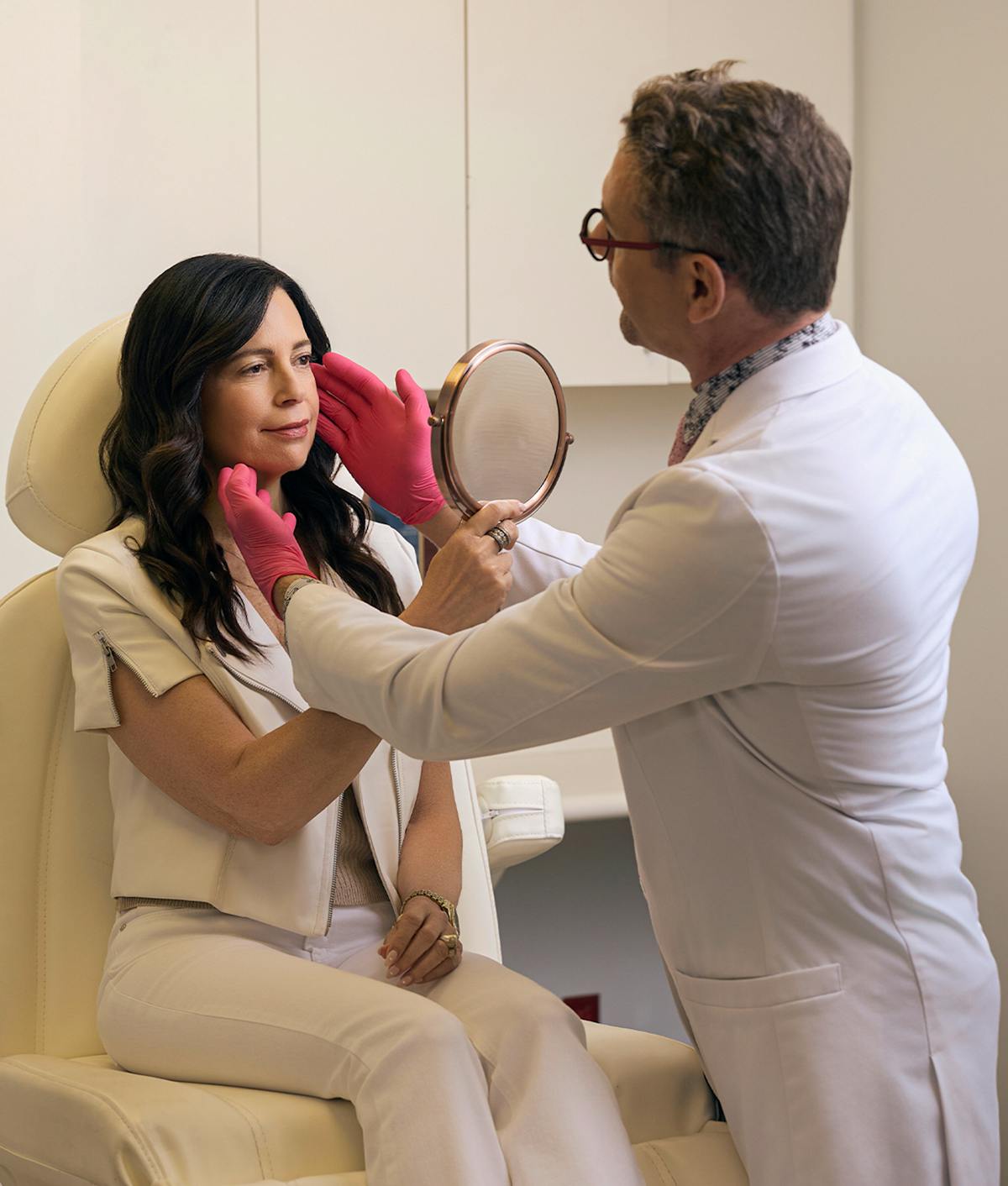
patient consult
Laser Skin Resurfacing

Laser Skin Resurfacing

Treatments like Erbium YAG laser, IPL, and microneedling with PRP work on skin texture, tone, and quality rather than muscle movement or volume. They address sun damage, fine lines, and uneven pigmentation by encouraging the skin's own collagen production and renewal.

Schedule a Consultation

Schedule Here

Why Choose Dr. Konstantin?

  • A Team Trained to One Standard: Every injectable at this practice is administered by Maria Kubiak, the practice's dedicated injector, trained directly by Dr. Konstantin in his own technique. Patients get the same standard of care whether the visit is a quick Botox appointment or a full consultation.
  • Non-Surgical Doesn't Mean It’s an Afterthought: Non-surgical treatments get the same individualized planning as any surgical procedure at this practice. The goal is never to talk a patient into more than they need, whether that means one syringe of filler or none at all.
  • A Natural Complement to Surgical Results: Many patients use injectables or laser treatments to maintain the results of a facelift or eyelid surgery between procedures, or to address concerns that don't require surgery at all. Dr. Konstantin's surgical background informs every non-surgical recommendation, too.

About the Consultation

Every non-surgical treatment plan starts with an honest conversation about what a specific concern actually needs. Some patients leave with a treatment plan spanning several visits; others learn that a single syringe or one laser session will do, and nothing more is recommended.

Logo media

Downtime by Treatment Type

Downtime varies widely: Botox and most fillers involve none essentially, with patients returning to normal activities immediately. Laser resurfacing and deeper treatments can involve several days of redness or peeling, depending on the specific technique used.

Microneedling and IPL usually fall somewhere in between, with mild redness that fades within a day or two. A consultation covers exactly what to expect for whichever treatment ends up being right.

What to Expect From Non-Surgical Treatments

Injectable results typically appear within days and last months, requiring maintenance visits to sustain. Laser treatments often need a series of sessions for full results, but those results, improved skin texture and tone, tend to last considerably longer. None of these treatments stops the aging process, but consistent maintenance can keep results looking fresh for years, especially when paired with good skin care and sun protection in between visits.

Non-Surgical Treatment Frequently Asked Questions

Are non-surgical treatments a good alternative to surgery?

For some concerns, yes; for others, no. Fine lines and mild volume loss respond well to non-surgical options. Loose skin or significant sagging genuinely requires surgery to correct, and Dr. Konstantin will say so honestly.

Who performs injectable treatments at the practice?

Maria Kubiak, RN, the practice's dedicated injector, who trained directly under Dr. Konstantin in his specific technique for Botox and dermal fillers, and who also oversees post-surgical recovery.

What's the difference between Botox and dermal fillers?

Botox relaxes the muscles that cause expression lines. Dermal fillers add volume to areas that have lost it, like cheeks or lips. Many patients use both together for a more complete result.

How do I know which filler is right for me?

Juvederm, Voluma, Volbella, and Radiesse each behave differently and suit different areas of the face. Maria evaluates the specific concern during a consultation before recommending which product actually fits.

What does laser skin resurfacing actually treat?

Sun damage, fine lines, uneven texture, and pigmentation issues respond well to laser resurfacing. Erbium YAG and IPL work somewhat differently, so the right choice depends on the specific concern being addressed.

Is microneedling with PRP painful?

Most patients describe mild discomfort, often minimized with topical numbing beforehand. It's generally well tolerated, with redness similar to a mild sunburn for a day or two afterward.

How often do I need Botox to maintain results?

Most patients return every three to four months. Over time, some find they can space appointments out further as muscles gradually respond to consistent relaxation.

Can injectables and laser treatments be combined?

Often, yes, and combining them can address more than either could alone, smoother texture from a laser treatment alongside restored volume from filler, for example. A consultation determines the right sequence and timing.

Is there downtime after dermal filler injections?

Usually minimal. Some swelling or bruising at the injection site is common for a few days, but most patients return to normal daily activities right away.

How many laser sessions are typically needed?

It depends on the treatment and the concern being addressed. Some options work well with a single session, while others, like microneedling for texture, are often recommended in a series of three to six.

Schedule a Consultation

A consultation is the clearest way to get honest, specific answers about what's genuinely possible for one particular, individual face.

Schedule Here
Contact us media
Accessibility: If you are vision-impaired or have some other impairment covered by the Americans with Disabilities Act or a similar law, and you wish to discuss potential accommodations related to using this website, please contact our Accessibility Manager at (212) 380-3634.
Schedule a Consultation