Treating Pigment and Redness, Not Just Texture

Sun spots, uneven tone, and facial redness don't always call for a treatment that removes skin. IPL works beneath the surface instead, targeting the pigment and blood vessels actually responsible for these concerns, with virtually none of the downtime associated with more invasive resurfacing.

IPL treatment

About IPL Treatment

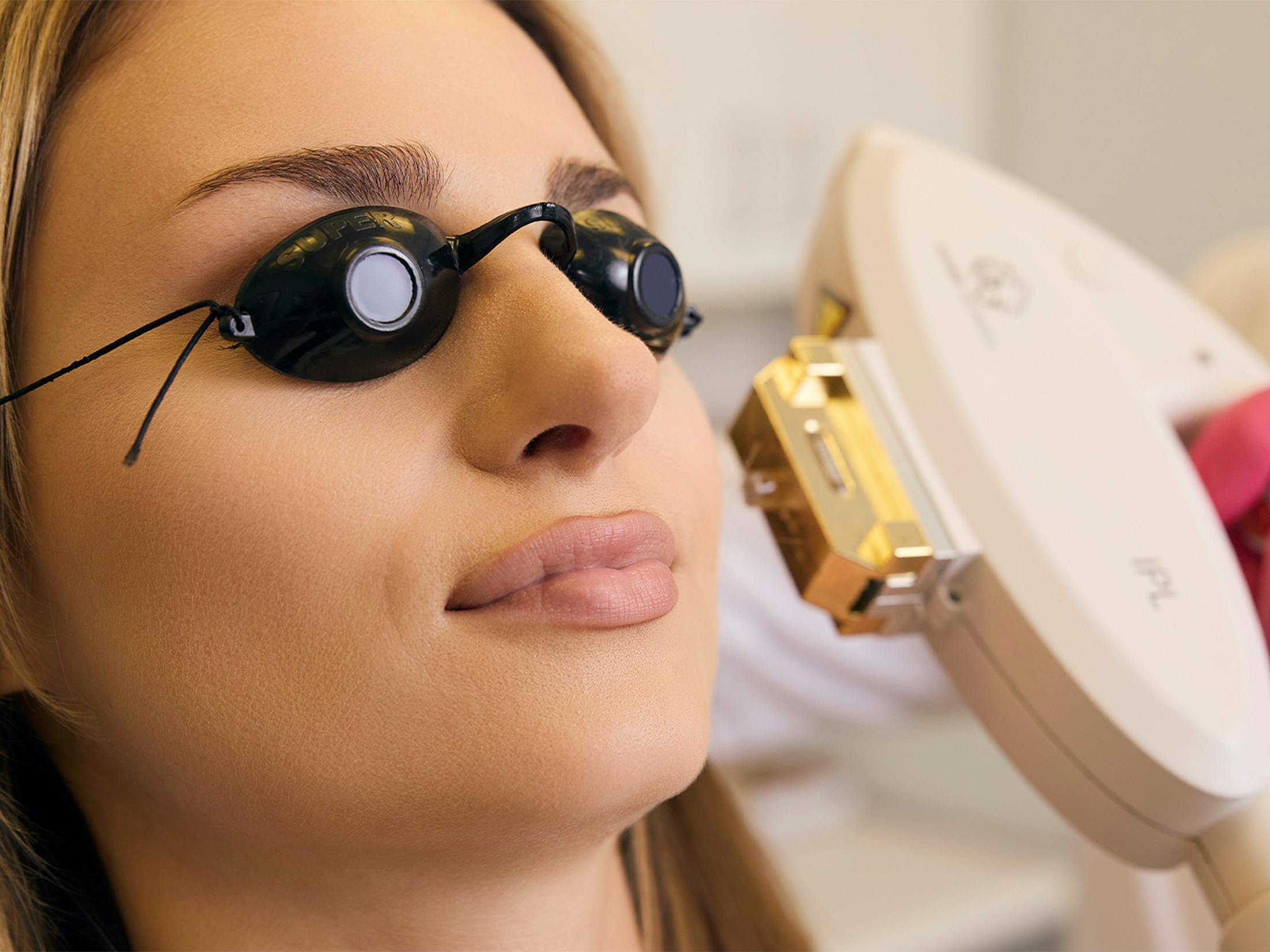
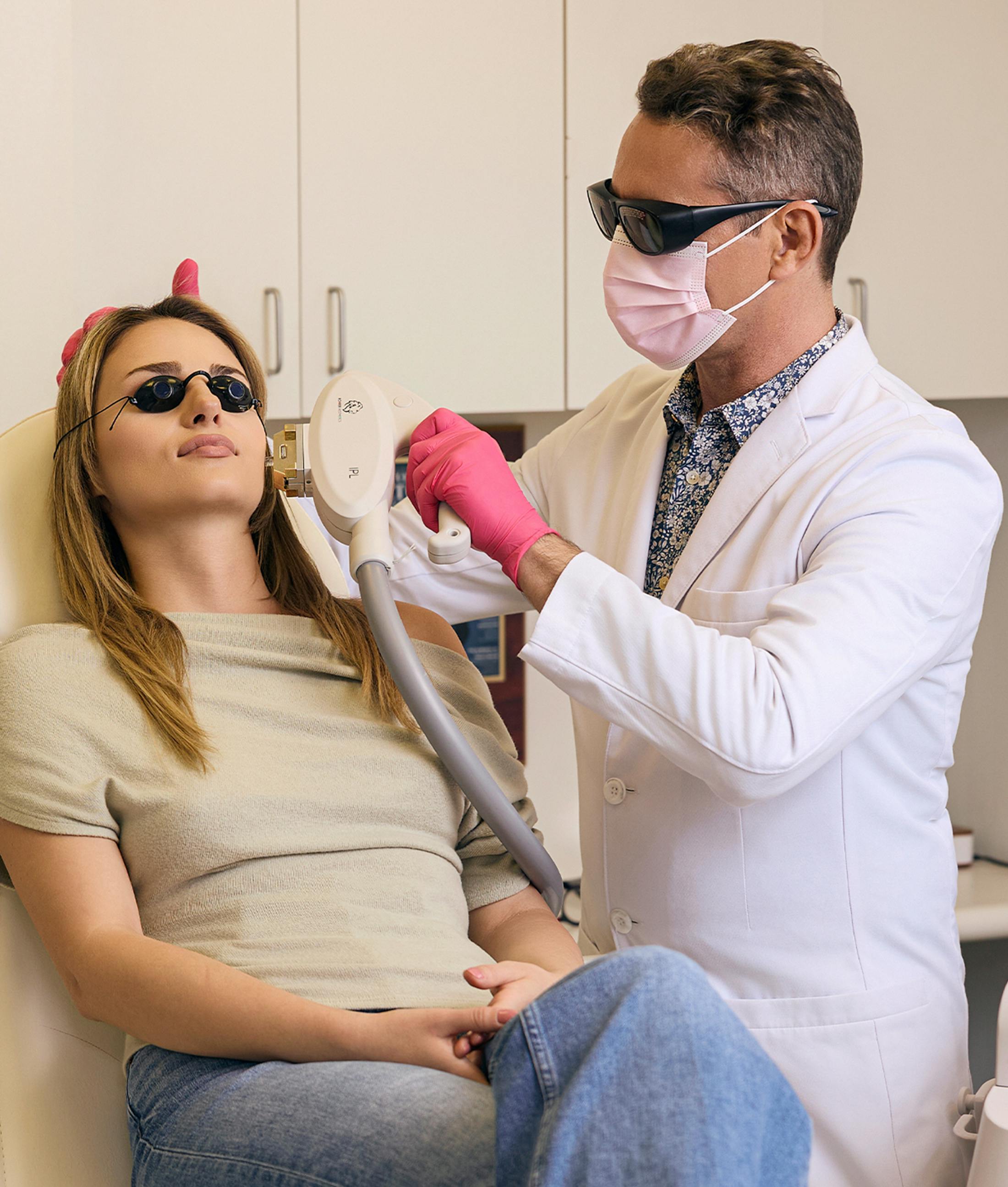
IPL, intense pulsed light, isn't technically a laser; it emits multiple wavelengths of light at once rather than a single, focused beam. Those wavelengths are absorbed by pigment or blood vessels beneath the skin, allowing the body to gradually break down and clear whatever is being targeted. Because the device can be tuned to target pigment, blood vessels, or both simultaneously, a single IPL session can often address multiple concerns, redness, and sun spots together in one appointment.

What IPL Addresses

IPL's ability to target pigment and blood vessels separately makes it especially versatile for skin tone concerns. Common uses include:

  • Freckles and other pigment irregularities
  • Facial redness and visible broken capillaries
  • Uneven skin tone from years of sun exposure
  • Sun spots and age spots

Because it works on pigment and vessels rather than texture, it's not the first choice for deep wrinkles or significant scarring, where Erbium YAG or microneedling typically performs better.

IPL Compared to Other Resurfacing Options

Unlike Erbium YAG, IPL doesn't remove any tissue, which means essentially no real downtime, but also more gradual results. Most patients need a series of three to six sessions rather than the one to three that Erbium YAG often requires. IPL and microneedling are often used together or in sequence, since one targets pigment and vessels while the other rebuilds texture and collagen directly, addressing different aspects of overall skin quality.

Schedule a Consultation

Schedule Here
Contact us media

Why Choose Dr. Konstantin?

  • A Surgeon's Understanding of Skin, Not Just a Device Operator's: Dr. Konstantin is a double board-certified facial plastic surgeon with eighteen years of experience in facial anatomy and skin health. That depth of knowledge shapes how every treatment plan is built here, including non-surgical, device-based treatments like IPL.
  • Recommendations Based on the Actual Concern, Not the Available Equipment: Whether the right answer is IPL, a different resurfacing option, or an injectable entirely, the recommendation comes from an honest assessment of the specific concern, not simply steering every patient toward whatever equipment happens to be in the room.
  • The Same Standard Applied to Every Treatment, Not Just Surgery: This practice doesn't treat non-surgical, device-based treatments as an afterthought to the surgical work. The same attention to individualized planning and honest guidance applies whether the visit involves a laser, an injectable, or an operating room.

What to Expect During IPL Treatment

Skin Assessment

The specific pigment or redness concern is evaluated first, since the device's settings need to be calibrated differently depending on the target and the patient's specific skin tone and history.

Cooling Gel

A cooling gel is applied to the treatment area to protect the skin and improve comfort as the light pulses are delivered across the targeted region during the entire session.

Light Pulses

The device is passed over the treatment area, delivering short pulses of light that most patients describe as a brief warm snap, similar to a light rubber band flick against skin.

Logo media

What to Expect in the Following Days

Mild redness similar to a light sunburn is common for a few hours afterward. Treated pigment spots often darken slightly before flaking off naturally over the following one to two weeks.

How Improvement Builds Over a Series

Because IPL works gradually, most patients need a series of three to six sessions spaced several weeks apart for full results. Skin tone and texture continue to improve progressively with each additional treatment.

a woman with shadows across her face

IPL Frequently Asked Questions

Is IPL safe for darker skin tones?

It requires more caution. Because IPL targets pigment, patients with darker or more tanned skin may need adjusted settings or an alternative treatment to avoid affecting surrounding pigmentation.

How many sessions will I actually need?

Most patients need a series of three to six sessions, spaced several weeks apart, for meaningful, lasting improvement in tone, texture, and redness overall for most people.

Does IPL hurt?

Most patients describe a brief warm or snapping sensation with each pulse, generally well tolerated without numbing cream, though it can be used for added comfort.

Can IPL treat rosacea?

Yes, IPL is particularly effective at targeting the visible blood vessels responsible for rosacea-related redness, often improving both tone and overall skin appearance together over a short series of sessions.

Can IPL be combined with other treatments?

Often, yes. It's frequently paired with microneedling for a more complete improvement in both tone and texture, or with injectables addressing separate concerns entirely, in the same overall plan.

Will IPL results look natural, or too dramatic?

The improvement is gradual and cumulative across sessions, so results tend to look like naturally even, healthy skin rather than an obviously treated or artificial appearance at all.

Schedule a Consultation

A consultation is the clearest way to get honest, specific answers about what's genuinely possible for one particular, individual face.

Schedule Here
Contact us media
Accessibility: If you are vision-impaired or have some other impairment covered by the Americans with Disabilities Act or a similar law, and you wish to discuss potential accommodations related to using this website, please contact our Accessibility Manager at (212) 380-3634.
Schedule a Consultation